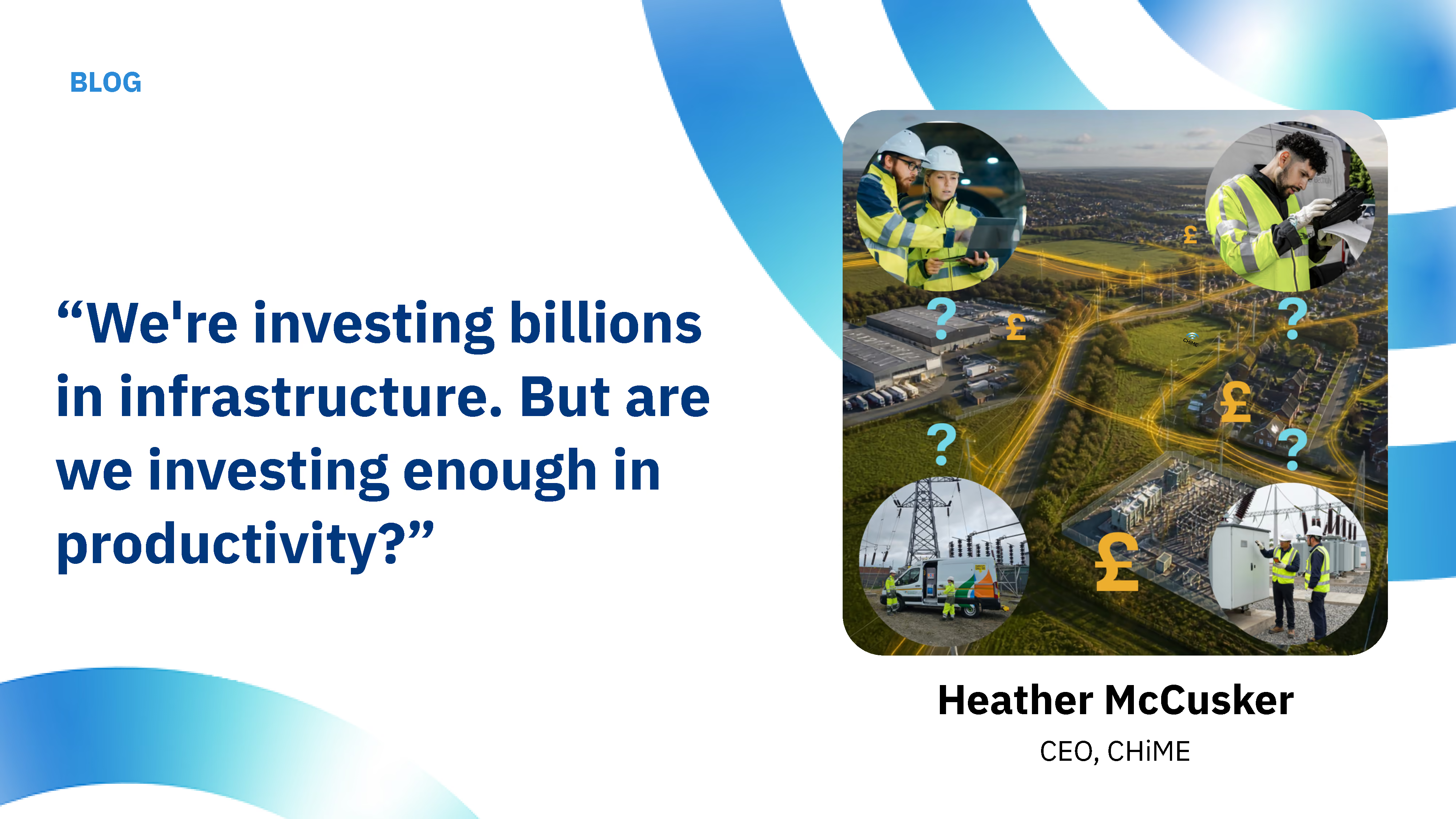

Utility network operators are under increasing pressure to deliver more work, improve productivity and maximise the value of significant infrastructure investment programmes.
While much attention is focused on workforce capacity, budgets and physical assets, some of the biggest barriers to operational performance are often less visible.
They exist in the gaps between people, processes and information.
Every day, operational teams spend time searching for information, validating data, chasing updates and reconciling records across multiple systems. Individually, these interruptions may seem minor. Collectively, they can have a significant impact on productivity, cost and project delivery.
Information Is Everywhere. Visibility Isn’t.
Most utility organisations manage vast amounts of operational information.
Network records, asset data, work plans, project updates and operational workflows are often spread across multiple systems and teams.
The challenge is rarely a lack of information. The challenge is ensuring the right people can access accurate, up-to-date information when they need it.
When information is fragmented, teams can struggle to gain a complete picture of ongoing work. Decisions take longer, coordination becomes more difficult and operational inefficiencies begin to emerge.
The Productivity Impact
Time is one of the most valuable resources within any utility operation.
When operational teams cannot quickly access the information they need, valuable time is lost.
Field staff may need to make additional calls to clarify work requirements. Supervisors may spend time chasing updates. Office-based teams may manually transfer information between systems or validate data from multiple sources.
These activities add little value, yet they consume time that could otherwise be spent delivering work, supporting customers or progressing projects.
Over time, productivity suffers.
The Cost of Fragmented Information
Information gaps don’t just affect efficiency. They affect cost.
Every hour spent searching for information, correcting errors or managing duplicate records carries a financial impact. Small inefficiencies repeated across multiple teams, projects and operational processes can quickly accumulate into significant operational costs.
The consequences can include:
- Increased administrative effort
- Duplicate data entry
- Rework caused by inaccurate or outdated information
- Delayed project delivery
- Reduced utilisation of field resources
- Higher operational overheads
While these costs are often difficult to identify on an individual basis, their cumulative impact across large-scale utility operations can be substantial.
Small Issues Become Larger Bottlenecks
A missing update.
An outdated record.
A delayed handover between teams.
A project status that isn’t visible to the right people.
Individually, each issue may appear insignificant. Together, they create friction across the organisation and reduce the ability to deliver work efficiently.
As infrastructure programmes grow in size and complexity, these small information gaps can become major operational bottlenecks.
Why Operational Visibility Matters
High-performing utility network operators understand that visibility is fundamental to effective delivery.
When teams can see what work is planned, in progress and completed, they are better equipped to make informed decisions, identify issues early and respond quickly to changing priorities.
Improved visibility enables organisations to:
- Plan more effectively
- Allocate resources efficiently
- Monitor progress in real time
- Reduce unnecessary delays
- Improve collaboration between field and office teams
- Make faster, more informed decisions
In short, better visibility supports better operational performance.
Connecting People, Processes and Information
As delivery expectations continue to increase, utility organisations are looking for ways to achieve more without simply adding more resources.
One of the most effective ways to improve productivity is by reducing the friction caused by disconnected information.
When people, processes and information are connected within a single operational environment, network operators can improve visibility, streamline workflows and give teams faster access to the information they need.
The result is greater efficiency, lower operational costs and improved delivery performance.
Looking Beyond the Obvious Challenges
Utility network operators face no shortage of challenges, from growing investment demands and regulatory pressures to evolving customer expectations.
However, some of the greatest opportunities for improvement can be found in the less visible barriers to performance.
Because infrastructure delays aren’t always caused by infrastructure.
Sometimes they’re caused by information gaps.
And closing those gaps can be one of the most effective ways to improve productivity, control costs and deliver better outcomes across utility operations.